
Loading...
Serving Ashland, KY and surrounding areas. (606) 393-8007
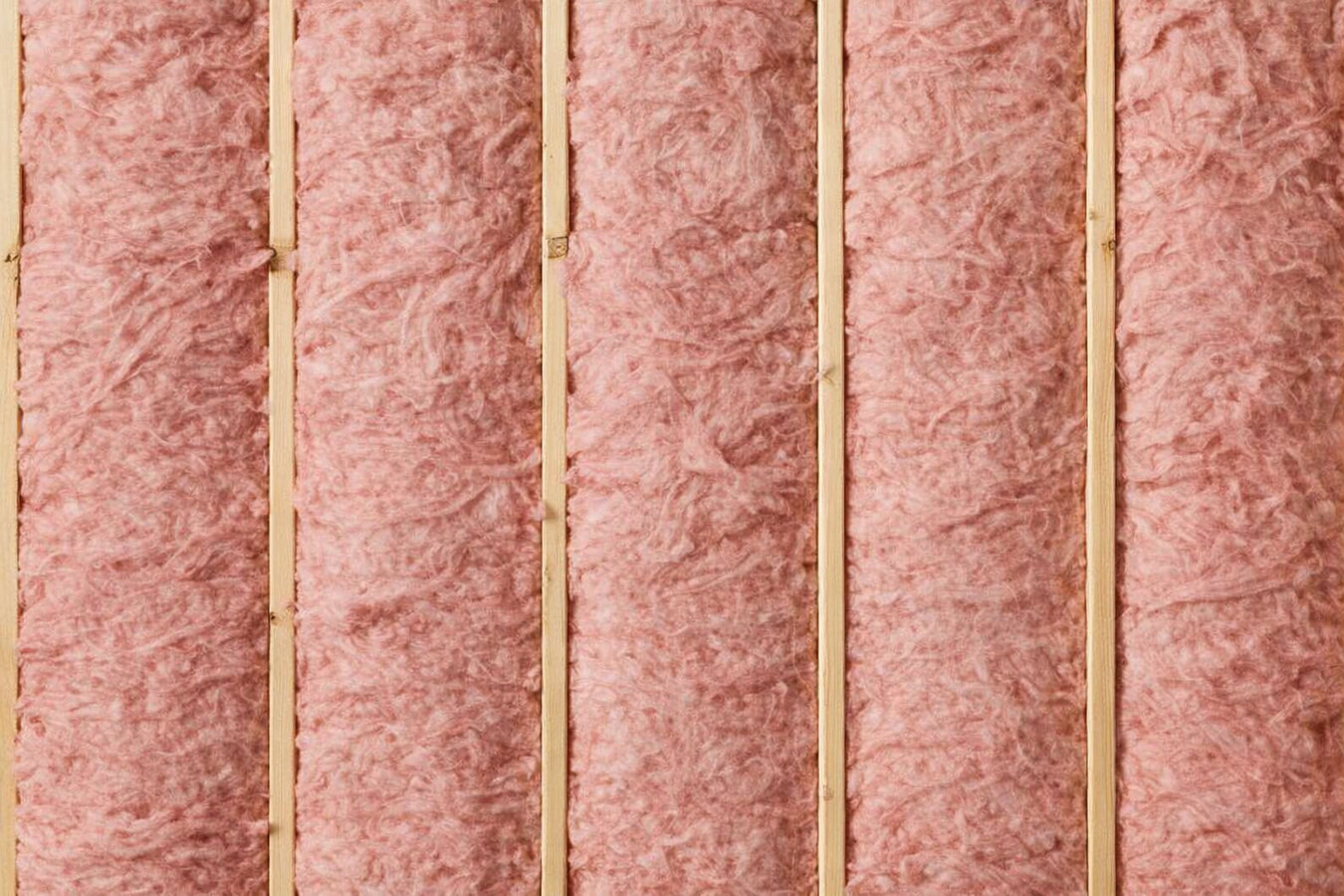
Older Ashland homes lose heat through empty wall cavities every winter and let it pour in every summer. We fill those walls without tearing out your drywall.
Wall insulation in Ashland, KY slows the transfer of heat through your exterior walls - keeping warmth inside in winter and blocking it in summer - and most jobs on an existing home are completed without removing any drywall, typically in a single day. A contractor drills small holes, fills each wall cavity with blown-in or injected material, then patches the holes so they are ready to paint.
A large share of homes in Ashland were built between the 1920s and the 1960s. At that time, wall insulation was minimal or absent by today's standards. If your home has always had rooms that feel drafty in January or stuffy in July, there is a good chance the walls are part of the problem - and the fix does not have to be a renovation. Pairing wall insulation with air sealing services addresses both heat loss and the drafts that come from gaps around outlets and framing.
We have worked on homes throughout Ashland and the surrounding area since 2017, and we see the same pattern in older neighborhoods: empty or settled wall cavities that have never been addressed. Our job is to find them, fill them, and leave your home exactly as it looked before we arrived.
If your gas or electric bill has increased over the past year or two and nothing obvious has changed, your walls may be letting conditioned air escape. In Ashland, where both summer cooling and winter heating put real demands on your system, under-insulated walls are one of the most common causes of unexplained bill increases.
Walk through your home on a cold January day or a hot August afternoon. If one or two rooms are consistently uncomfortable no matter how long the heat or air conditioning runs, the walls in those rooms likely have little or no insulation. This is especially common in older Ashland homes where insulation was added room by room over the decades - or never added at all.
Run your hand slowly along the baseboards and around electrical outlets on exterior walls. If you feel cool air moving in winter, that is a sign the wall cavity is not doing its job. In Ashland's older housing stock, gaps in the original framing are common and often go unnoticed for years.
Homes built in Ashland before the 1980s were typically constructed to the standards of their era, which allowed far more heat loss than what is considered acceptable today. If you have never had a contractor evaluate your wall insulation - or if you are not sure - it is worth a free assessment. The odds are good that your walls have either no insulation or a thin layer that has settled and lost effectiveness over time.
We install wall insulation in existing homes without requiring demolition. For most homes, we use either dense-pack blown-in material or injected foam - both installed by drilling small access holes in the wall, filling each cavity completely, and patching the holes flush. The method we recommend depends on your home's age, framing style, and the type of exterior siding or brick. If you are also considering blown-in insulation for your attic or other areas, we can coordinate both scopes in one visit.
For homes undergoing a larger renovation where walls are already open, we can apply spray foam or batt insulation directly into the stud bays before the new drywall goes up. And for homeowners who want to address their home's efficiency in a comprehensive way, we often pair wall work with air sealing services to close off the gaps around electrical boxes, pipes, and framing that insulation alone does not address.
Best for most existing homes - fills cavities around obstructions like pipes and wires without removing drywall.
Suits older homes with drafty framing - seals air gaps as it fills, adding both insulation value and draft control.
Ideal for renovation projects where wall cavities are already exposed during other work.
Ashland sits in a climate zone that swings hard in both directions. Summers regularly push into the 90s with high humidity, and winters bring sustained cold with occasional ice storms. That means your wall insulation has to work in both directions year-round - keeping heat out in July and keeping it in during a January cold snap. A home with properly insulated walls feels noticeably more even in temperature and costs less to keep comfortable across both seasons.
The majority of homes we see in Ashland and in nearby Catlettsburg were built between the 1920s and 1960s - a period when wall insulation was minimal by any modern standard. Many feature brick exteriors, which means access to the wall cavities happens from inside rather than through the exterior. That is a detail that matters when getting quotes: make sure any contractor you speak with has actually looked at your home before pricing the job.
We will follow up within 1 business day. We ask about your home's age, the rooms causing problems, and whether you have had any previous insulation work done. There is no cost or commitment just to talk.
A member of our team visits your home to assess the exterior walls, look for existing insulation where accessible, and determine the best access method. You will get a written estimate before anything is scheduled.
On the job day, small holes are drilled at regular intervals along your exterior walls. Each cavity is filled completely using a hose connected to a blowing machine. Most homes are done in a single day and you can stay home throughout.
Every drill hole is patched and smoothed before the crew leaves. We walk you through what was done and flag anything else we noticed during the work. You can move furniture back the same day.
No pressure, no commitment. We assess your home and give you a written quote before any work is scheduled.
(606) 393-8007Many homes in Ashland were built with balloon framing - a construction style common before 1950 where wall cavities run from the basement to the attic without a break. That requires a different approach than modern platform framing, and getting it wrong leaves gaps. We have worked on enough pre-war homes in this area to know what to look for before we start drilling.
We use a thermal camera before and after the installation to confirm that every cavity is fully filled. You can see the results on screen - heat escaping through under-insulated walls shows as bright spots, and a completed job shows as an even surface. You are not taking our word for it.
One of the most common concerns homeowners have is what the walls will look like after we leave. Our crew patches every drill hole smooth and flush, ready to paint. We do not consider the job done until the patches are indistinguishable from the surrounding wall.
Kentucky Power offers rebate programs for qualifying insulation improvements, and the federal government has offered tax credits for home insulation upgrades in recent years. We provide the documentation you need to claim any available rebates - materials used, coverage area, and installation date. We encourage you to review current programs at{" "} <a href="https://www.energy.gov" target="_blank" rel="noopener noreferrer" className="text-primary hover:underline">energy.gov</a>.
We have been working in Ashland since 2017, and wall insulation is one of the most consistent improvements we make in older homes across the area. When the job is done, you will know exactly what is in your walls and that it is doing its job.
Close the gaps around outlets, pipes, and framing that let drafts in even after the walls are insulated.
Learn MoreLoose-fill insulation applied to attics, floors, and wall cavities for full, gap-free coverage.
Learn MoreCall Custom Ashland Insulation today for a free on-site wall insulation estimate in Ashland, KY. Most jobs are quoted and scheduled within the same week.