
Loading...
Serving Ashland, KY and surrounding areas. (606) 393-8007
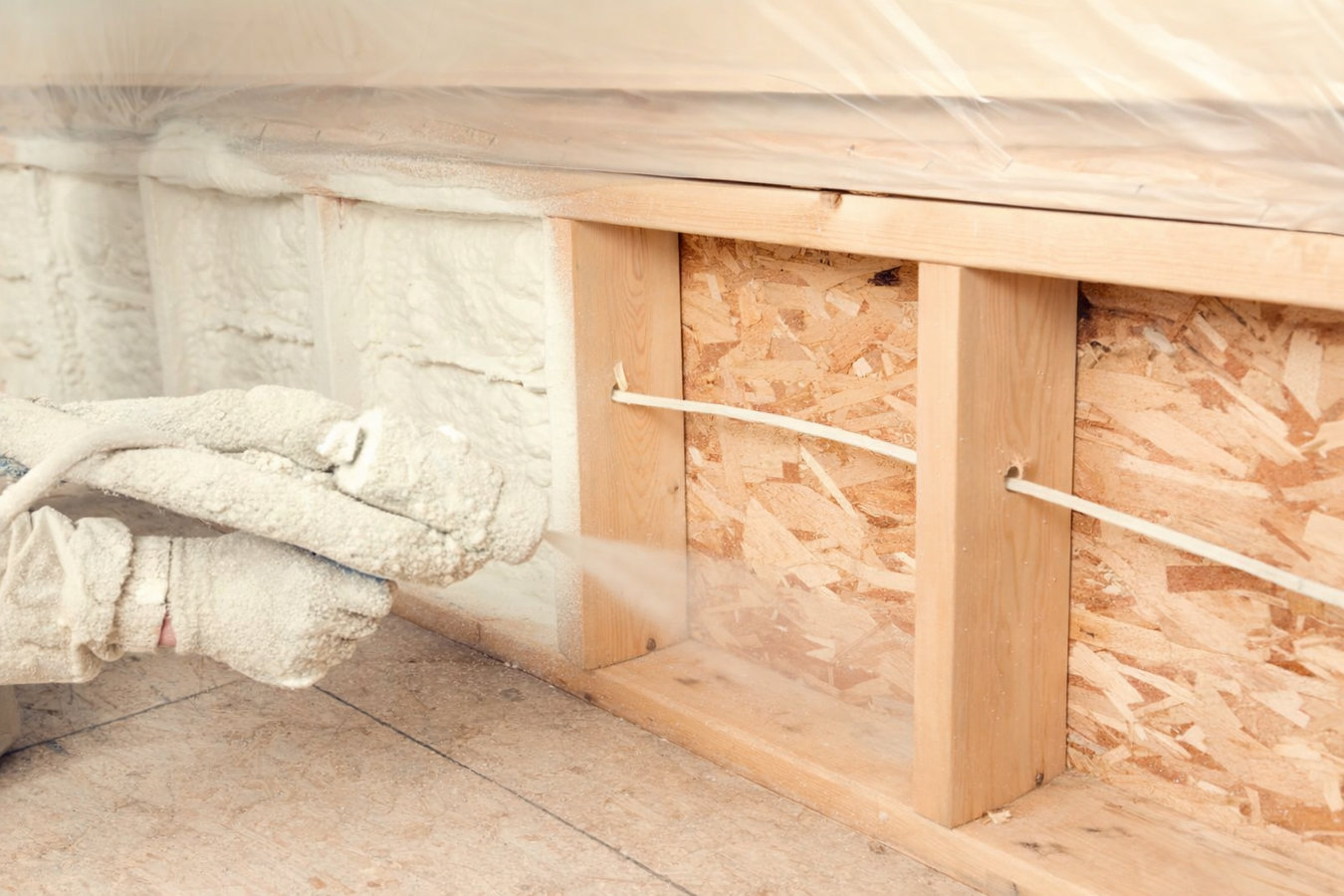
Cold floors, high heating bills, and crawl space moisture are common in Ashland homes. Closed-cell spray foam solves all three problems in a single application.
Closed-cell foam insulation in Ashland, KY is a two-part spray that expands and hardens into a rigid, dense layer - insulating and sealing air leaks at the same time while acting as a moisture barrier, with most crawl space and attic jobs completed in one day.
Most insulation materials do one job - they slow heat transfer. Closed-cell foam does three: it insulates, seals every air leak it touches, and blocks moisture from moving through walls and floors. In Ashland, where hot humid summers and cold wet winters create year-round moisture pressure on older homes, that combination matters more than it would in a drier climate. A crawl space treated with closed-cell foam stops cold air from moving up through floors in January and stops humid air from accumulating in the wood framing in July.
Closed-cell foam is one type of spray foam insulation. The other type - open-cell foam - is softer and better suited to interior walls and attics. We use both depending on where in your home the work is happening and what problem you need to solve.
If your floors feel noticeably cold in winter - especially in rooms directly above a crawl space - cold air is moving up from below. In Ashland winters, an uninsulated crawl space allows outside air to chill the entire floor structure. This is one of the most common comfort problems in older Boyd County homes, and it is almost always fixable with closed-cell foam on the crawl space walls and rim joist.
If your heating bill in January or your cooling bill in July feels out of proportion to the size of your home, air leaks and poor insulation are the most likely cause. Ashland's climate swings between hot, humid summers and cold, wet winters - meaning a poorly sealed home is fighting the weather all year. Unusually high bills in both seasons are a strong signal that your home's shell is not doing its job.
Water droplets on floor joists, dark staining on wood framing, or a persistent musty smell coming up from below are signs that moisture is getting into your crawl space. Ashland's humid summers push moisture-laden air into crawl spaces, where it condenses on cooler surfaces and leads to mold and wood rot. Closed-cell foam creates a barrier that moisture cannot pass through - stopping the damage before it starts.
If one bedroom is always colder than the rest of the house, or if you feel drafts near baseboards or exterior walls, air is moving through gaps in your home's structure. This is especially common in Ashland homes built before the 1980s, where insulation was often installed without attention to air sealing. Closed-cell foam addresses both the insulation gap and the air leak in a single application.
We apply closed-cell foam in the areas of your home where it delivers the most value - crawl spaces, basement walls, rim joists, and any other location where moisture and cold air infiltration are active problems. These are the spots where a denser, more rigid foam outperforms every other insulation type because it does not just slow heat transfer - it seals the gap and stops moisture from crossing the wall at the same time. For a comparison of both foam types, see our open-cell foam insulation page, which covers the softer, lighter type suited to interior applications.
Every job starts with an on-site assessment - we look at the space, check for existing insulation and moisture issues, and confirm the area is ready for foam before we schedule installation. We give you a written quote after the visit, and we walk you through the finished work before we leave. You will be able to see the foam, verify coverage, and ask any questions before we pack up.
Best for homes with an uninsulated crawl space - stops cold air infiltration, blocks ground moisture, and protects floor joists from long-term humidity damage.
Best for any home with an accessible rim joist - the biggest single air leak in most Ashland homes and the most overlooked. Sealing it stops cold air and protects pipes from freezing.
Best for unfinished basements where foundation walls are exposed - particularly effective in older Ashland homes with stone or block foundations that have irregular surfaces.
Best for homes where the attic is used as a conditioned space or where ducts run through the attic - foam on the roof deck keeps the entire attic within the home's thermal envelope.
Ashland sits in the Ohio Valley, where summer humidity regularly climbs above 70 percent and winters bring cold, wet air that pushes moisture into walls and crawl spaces from both directions. That combination makes moisture control just as important as temperature control - and it is exactly why closed-cell foam performs so well here compared to drier climates where a simpler material might be enough. Many Ashland homes were built in the mid-20th century with minimal or no insulation in the crawl space and rim joist. Closed-cell foam applied to those specific areas can make a dramatic improvement in comfort and energy costs without requiring a full renovation. The Spray Polyurethane Foam Alliance maintains training and installation standards for contractors performing this work - ask any contractor you consider whether they follow SPFA guidelines.
We serve homeowners throughout the Ashland area and regularly work in communities like Huntington, WV and Barboursville, WV, where the same Ohio Valley moisture conditions and older housing stock create the same problems. Closed-cell foam is a consistent solution across all of these homes because the underlying issues are consistent.
Reach out by phone or online and we get back to you within one business day. We ask a few basic questions about what you want insulated and roughly how old your home is - you do not need square footage or technical details, just a general sense of the problem.
We visit your home, look at the space, check for moisture issues, and measure the area. You receive a written quote that details what will be done and what it costs - before anything is scheduled. This visit usually takes 30 to 60 minutes and is completely free.
Before installation, you need to arrange for everyone - people and pets - to be out of the home for the day and the night after. The contractor will give you a specific re-entry time. You will also need to clear the work area of stored items so the crew can access every surface.
Once the curing window has passed - typically the following morning - you can return home. We walk you through the finished work so you can see the foam, verify coverage, and ask any final questions. There is no ongoing maintenance required, and the results are permanent.
Free on-site assessment, written quote before any work begins. We respond within one business day - no pressure, no obligation.
(606) 393-8007A large share of homes in Ashland and Boyd County were built before modern insulation standards existed. We work in these homes every week - we know where the irregular surfaces are, what the crawl spaces tend to look like, and what moisture signs to check for before any foam goes in. A contractor unfamiliar with mid-century construction in this region will miss things we will not.
Every project starts with a free written estimate that spells out the work, the materials, and the price before we begin. When your job needs a permit, we coordinate it and schedule the inspection for you. You know exactly what you are paying for and what happens next.
One of the most common fears with any contractor is paying for work you cannot evaluate. Spray foam is visible - you can see it, touch it, and confirm it covers the areas it was supposed to cover. We walk you through the finished work before we leave so you know exactly what was done and where.
We follow EPA guidance on spray polyurethane foam installation - including proper re-entry timelines and ventilation procedures. We give you a clear, specific re-entry time before we start work. If a contractor tells you to stay home during spraying, walk away.
Closed-cell foam is one of the most durable insulation options available - it lasts the life of the home when installed correctly. The difference between a great job and a poor one comes down to the contractor. We do this work right, and we stand behind it.
The softer, lighter foam type suited to interior walls and attic spaces where a moisture barrier is not the priority.
Learn MoreAn overview of both spray foam types and where each one is the right choice in your home.
Learn MoreAshland's crawl spaces and rim joists take a beating every winter. Get your free estimate before the next cold snap and lock in your installation date.